In short
- Spot up to 102 recorded bird species.
- Look for saltwater crocodiles and water monitors.
- See macaques in the dense mangrove trees.
In this article
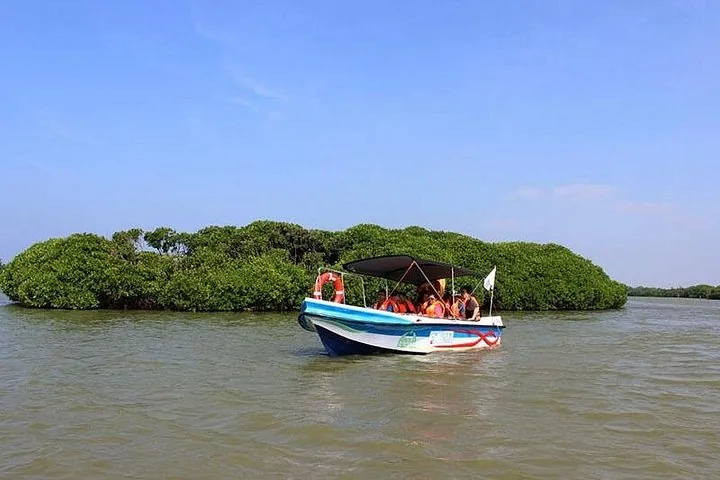
The sanctuary protects 1,777 hectares of marshland between Colombo and Negombo Lagoon. Despite being close to the airport, it provides a quiet refuge for native fauna. Guided boat tours are the safest and most effective way to observe these species in their natural habitat.
What birds live in Muthurajawela?
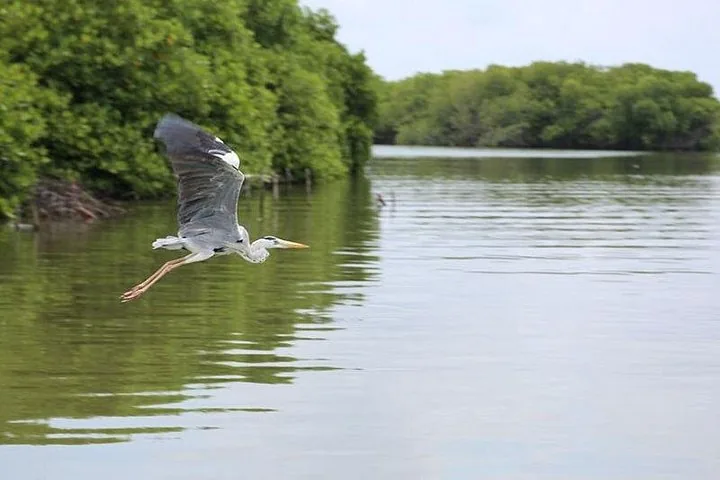
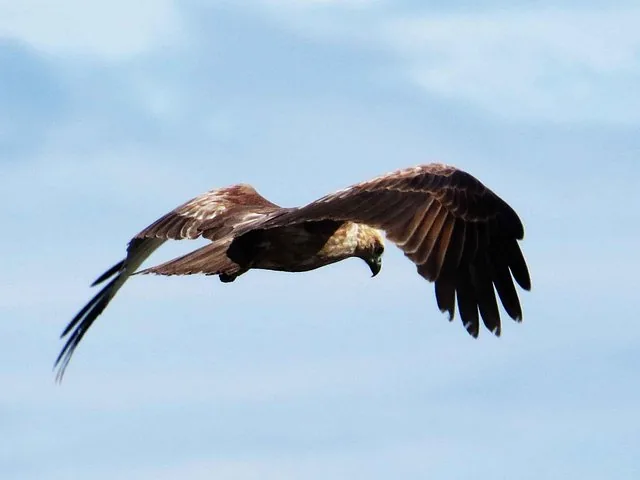
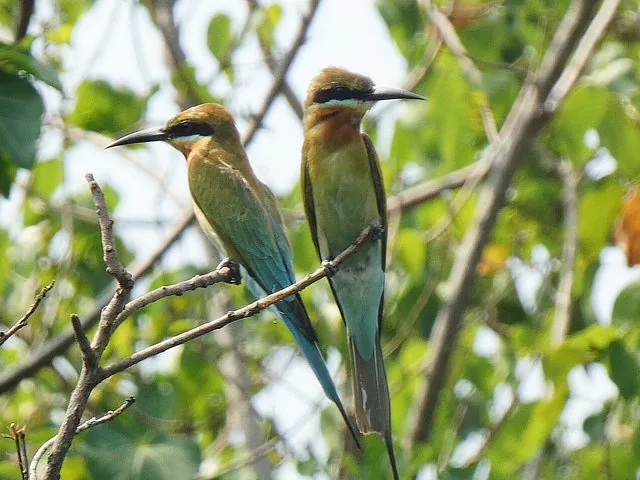
The sanctuary hosts 102 recorded bird species, including purple herons and white-bellied sea eagles.
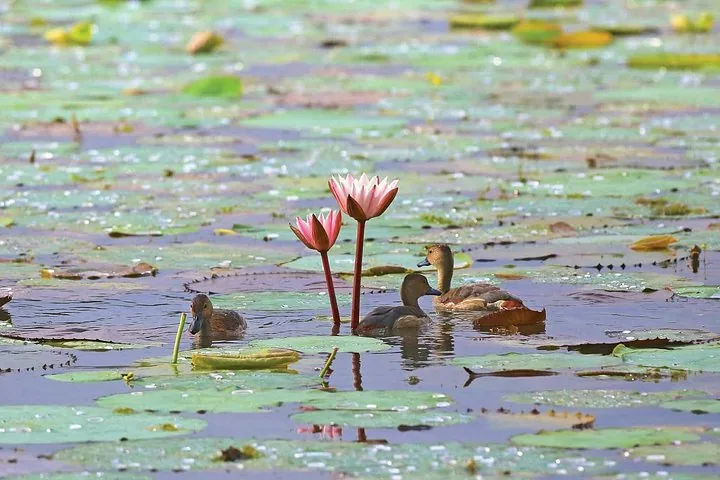
You will likely see kingfishers diving for small fish near the Dandugam Oya river section. The expansive open lagoon waters are excellent for spotting eagles soaring on the thermals. From November to April, migratory flocks arrive and gather on the shallow mudflats.
Are there crocodiles in Muthurajawela?
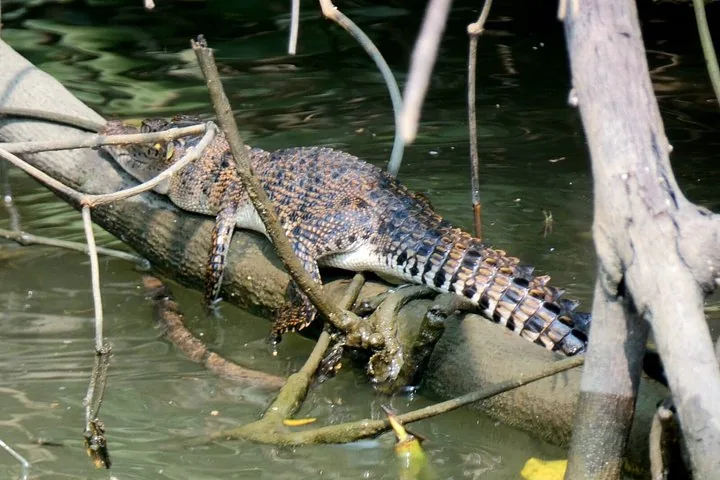
Yes, saltwater crocodiles live in the coastal peat bogs and marshlands.
Crocodiles blend in seamlessly with muddy banks and floating logs. Keep your eyes on the water's edge as your boat navigates the narrow channels. You will also see large water monitors sunning themselves along the historic Hamilton Canal.
Will I see monkeys on the boat tour?
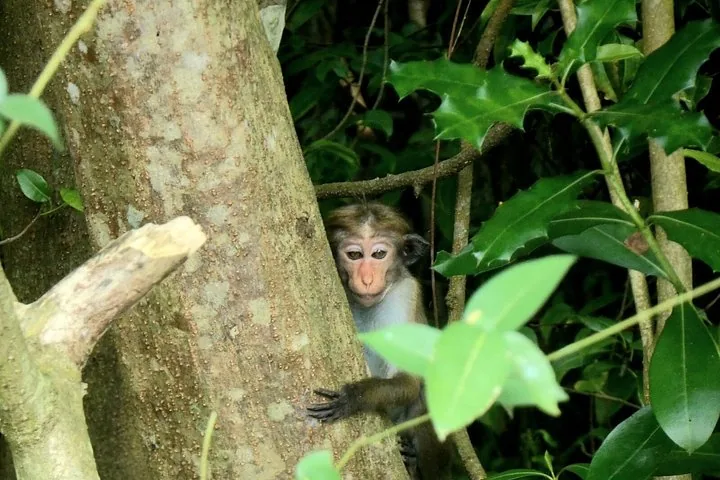
Macaques frequently appear in the trees lining the mangrove channels.
You will spot them foraging and climbing in the dense vegetation above the waterways. Do not feed the monkeys or any other wildlife. Human food disrupts their natural diet and encourages aggressive behavior.
How likely am I to see wildlife?
Sightings depend heavily on the time of day, weather, and seasonal migrations.
The wetland is a natural habitat, not a zoo. The highest wildlife activity occurs early in the morning. Taking a 7:00 AM boat safari gives you the best chance to see active animals before the afternoon heat sets in.
| Animal Type | Typical Location | Best Time to Spot |
|---|---|---|
| Saltwater Crocodiles | Coastal Peat Bogs | Early morning |
| Water Monitors | Canal banks | Mid-morning |
| Migratory Birds | Mudflats | November to April |
| Macaques | Mangrove branches | Year-round |
What are the rules for wildlife watching?
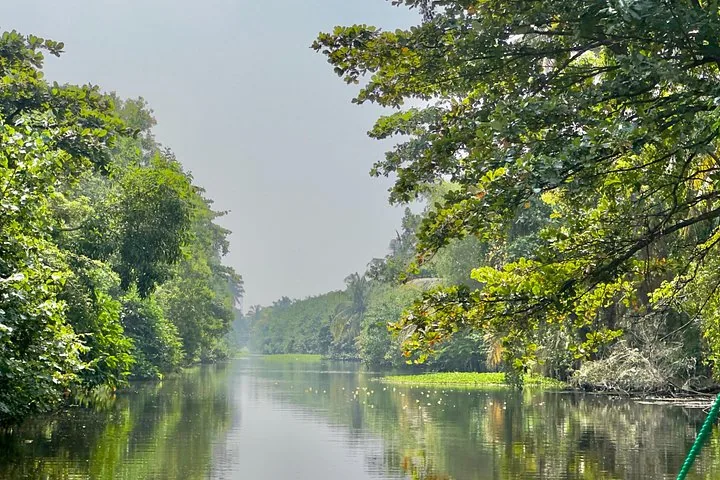
Visitors must observe animals quietly from the boat without interacting or causing stress.
- Keep noise to a minimum so you do not startle the birds.
- Avoid using flash photography near sensitive or nesting wildlife.
- Never leave the boat or attempt unescorted walking into the marsh.
Questions travellers ask
What animals can you see in Muthurajawela Marsh?
You can see saltwater crocodiles, water monitors, macaques, and purple herons. The wetland is home to 209 fauna species in total.
What kind of birds are in Muthurajawela Sanctuary?
There are 102 recorded bird species here. Common sightings include kingfishers, purple herons, white-bellied sea eagles, and various migratory waders.
Do I need to bring anything to see the animals?
Yes. Bring binoculars for optimal birdwatching and a camera with a good zoom lens. A sun hat and sunglasses will help cut the glare on the water.